FORMVELD

Patterns are rules, not pictures.

Printable sashiko patterns and seamless digital papers, drawn from the rule so the repeat is exact and every sheet tiles without a join.

See the patterns Get a free sample Why rules matter โ†“

Printable sashiko patterns

0 sets, some of which share designs (see each set). Print at 100%, transfer to cloth, stitch. PDF in A4 and US Letter, plus SVG. Instant download.

Seamless digital papers

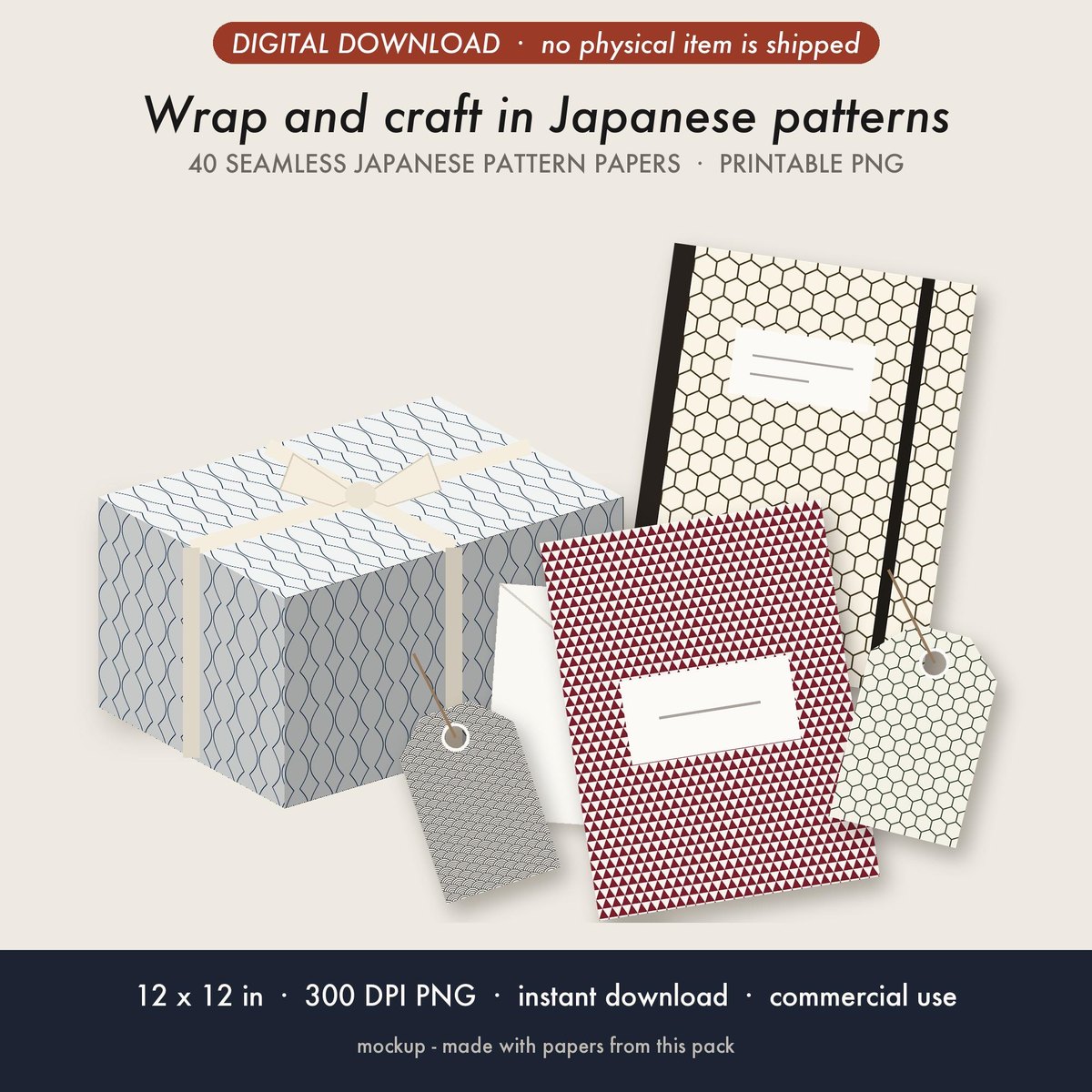
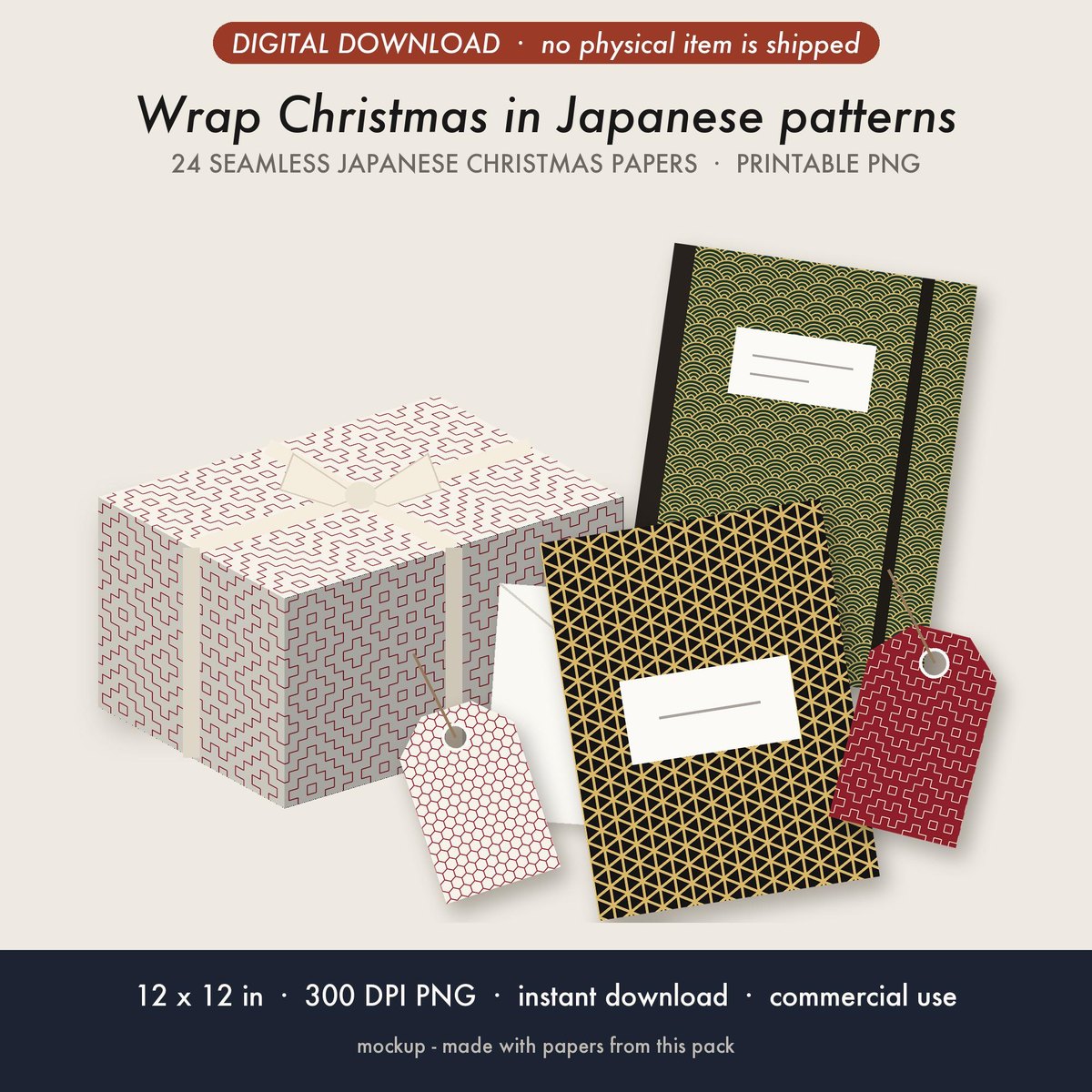
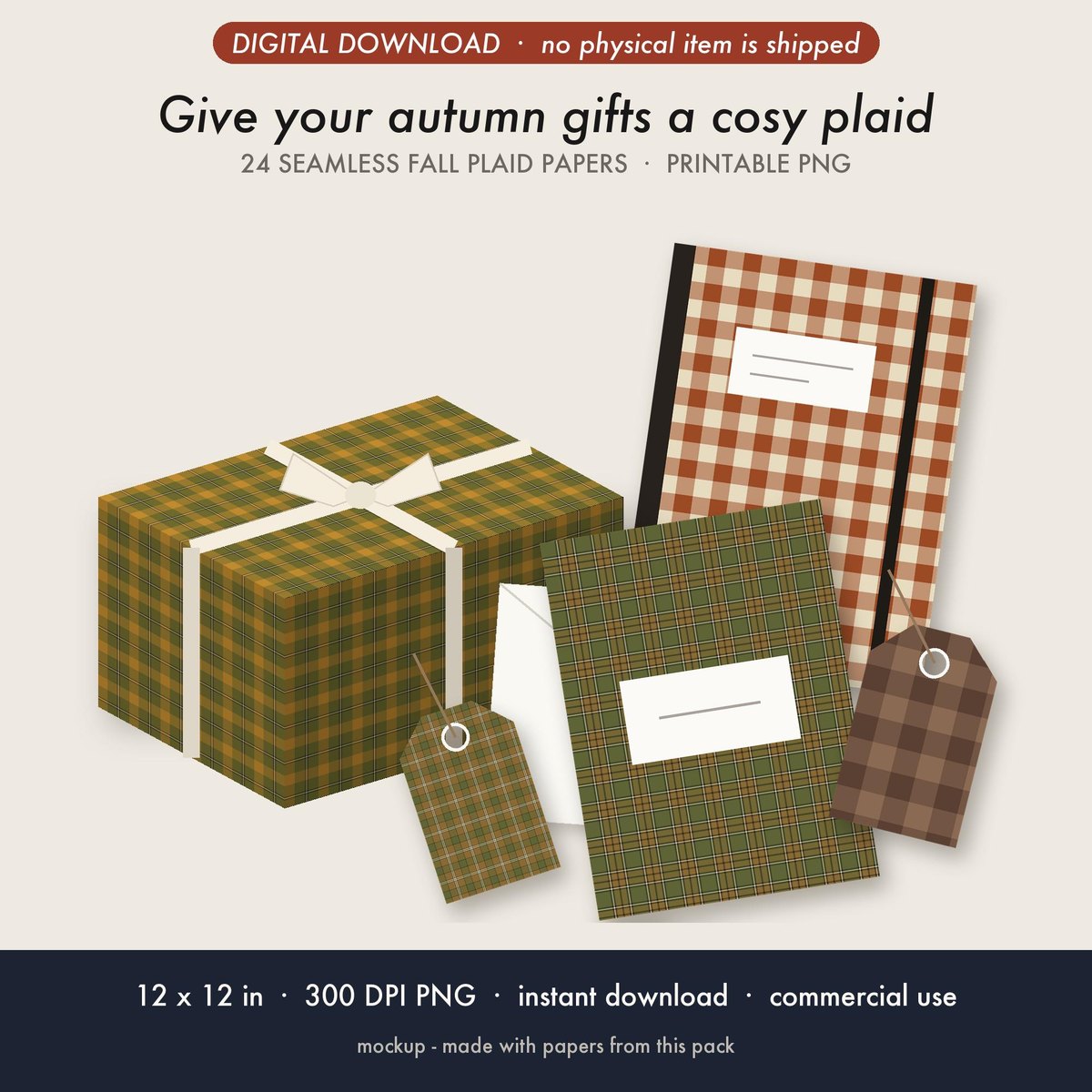
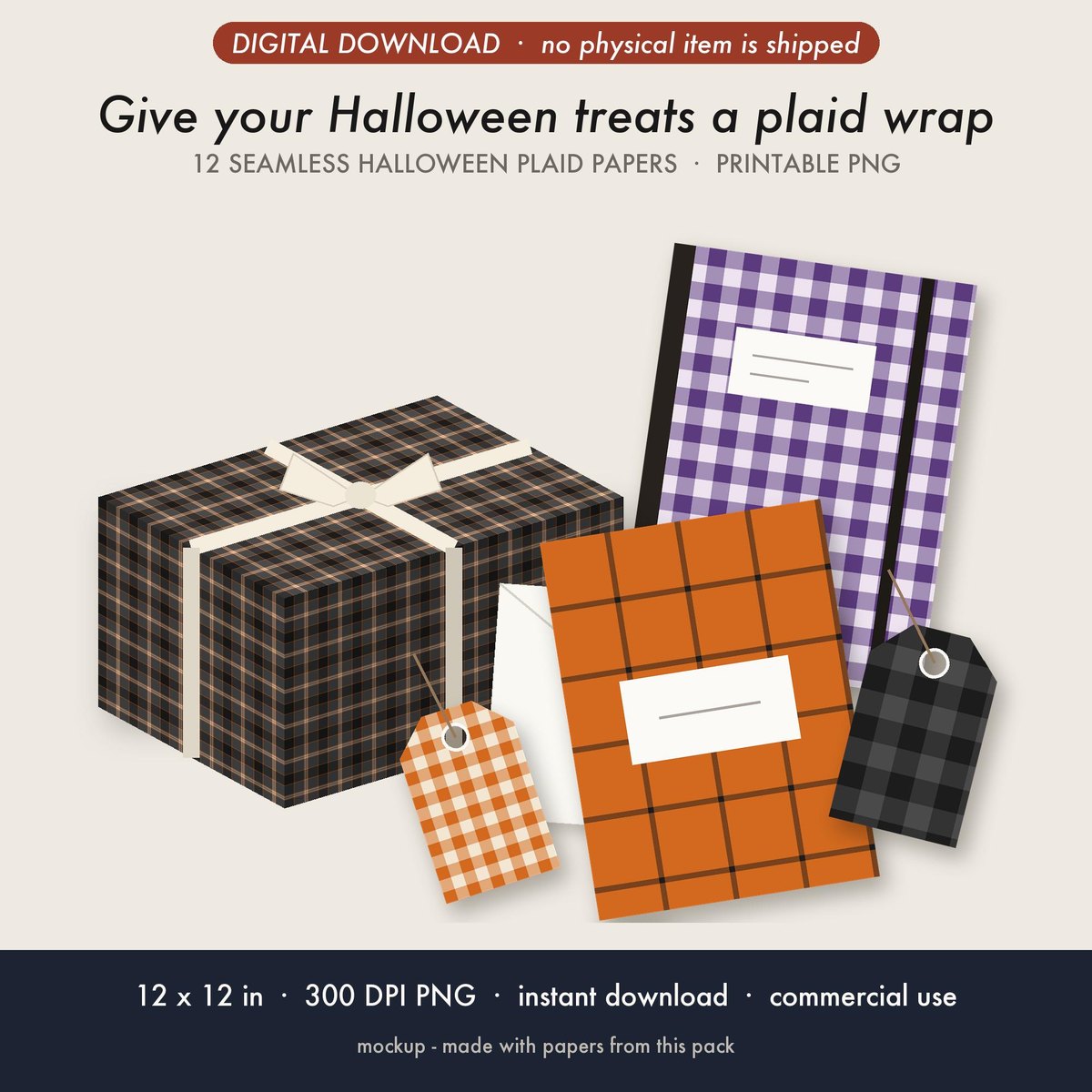
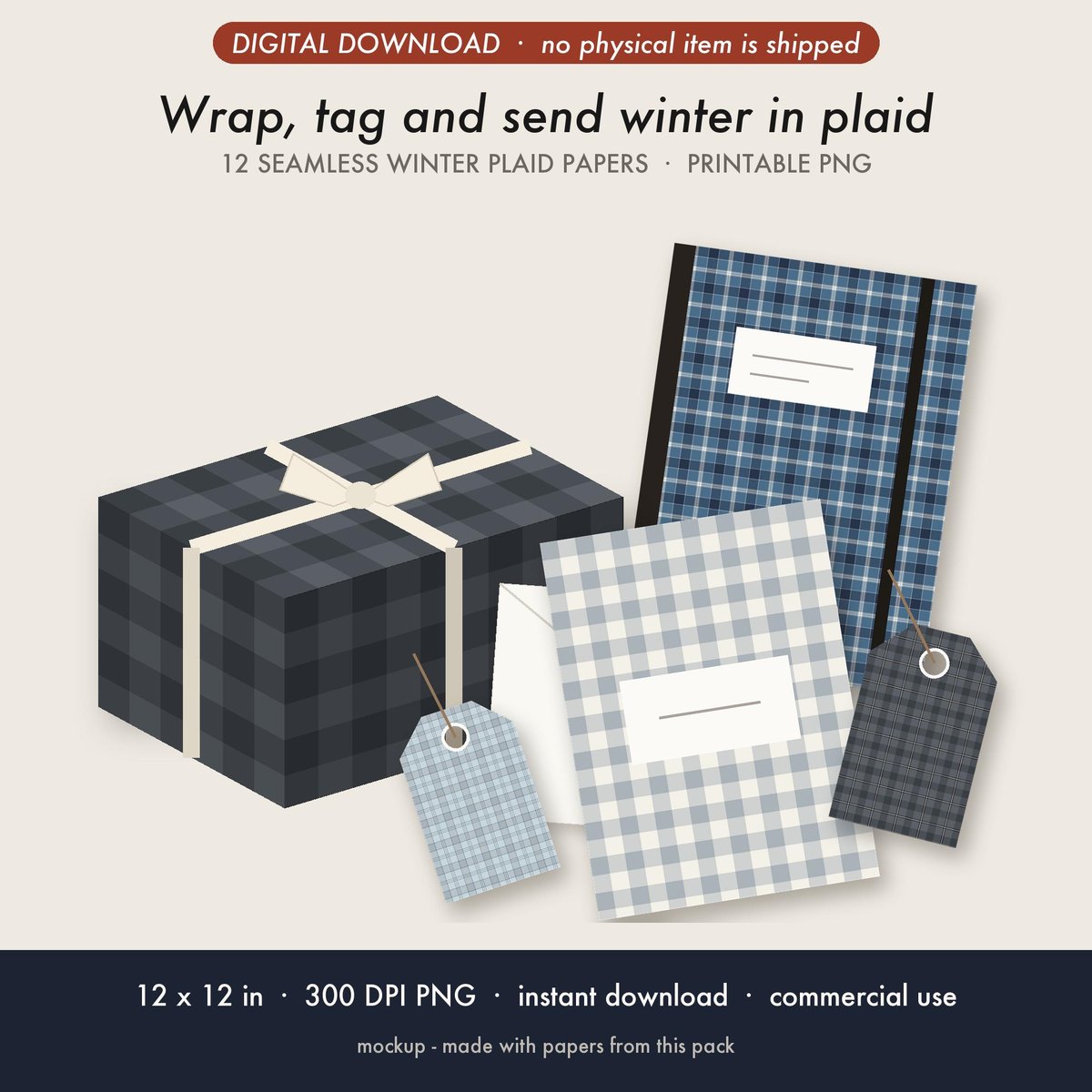
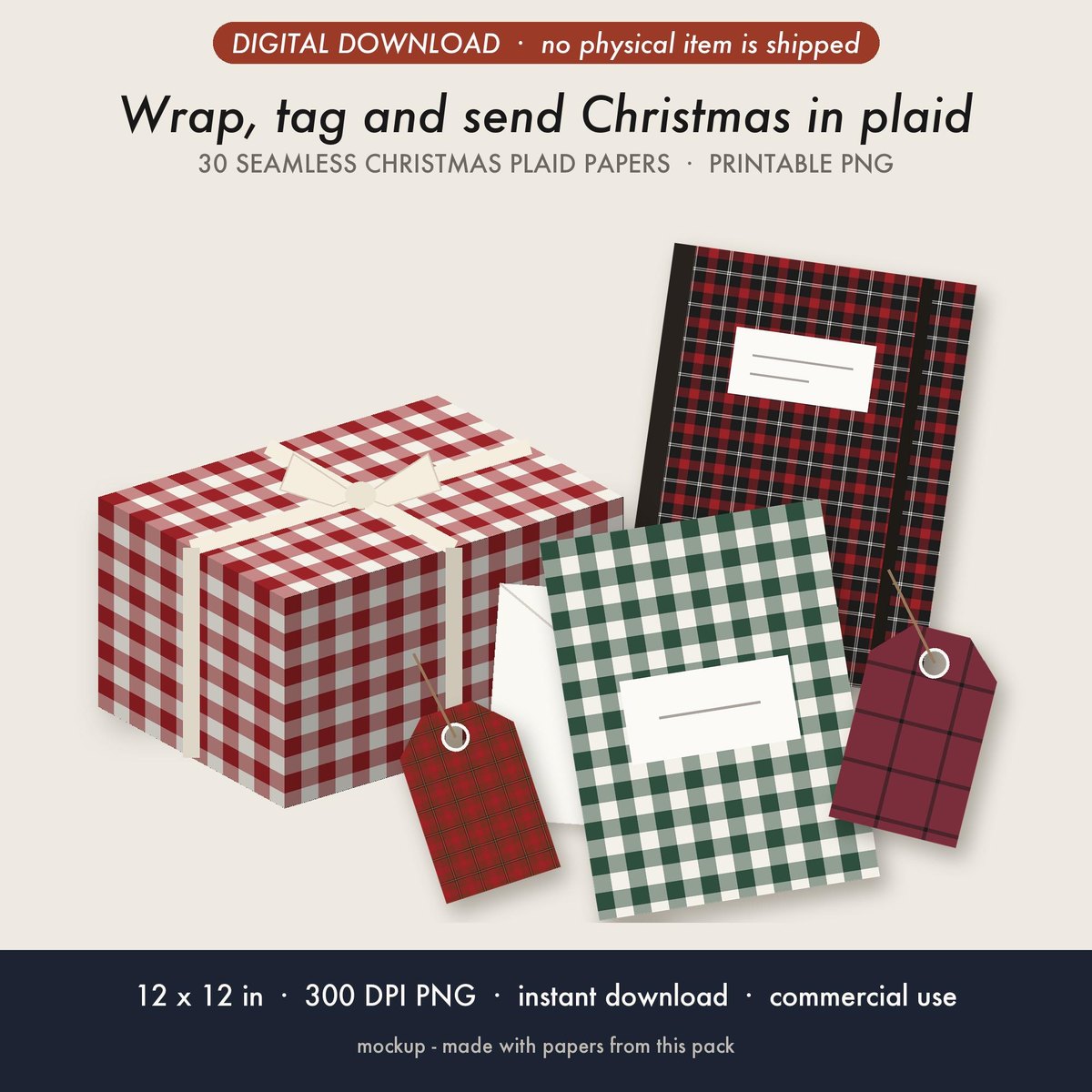
142 sheets across 6 packs. 12 ร— 12 in at 300 DPI, PNG. Commercial use included.

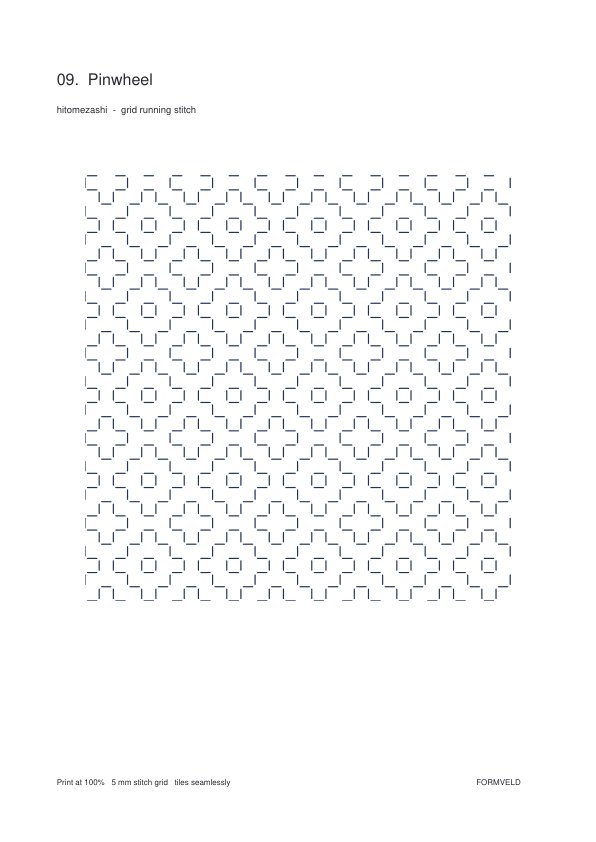
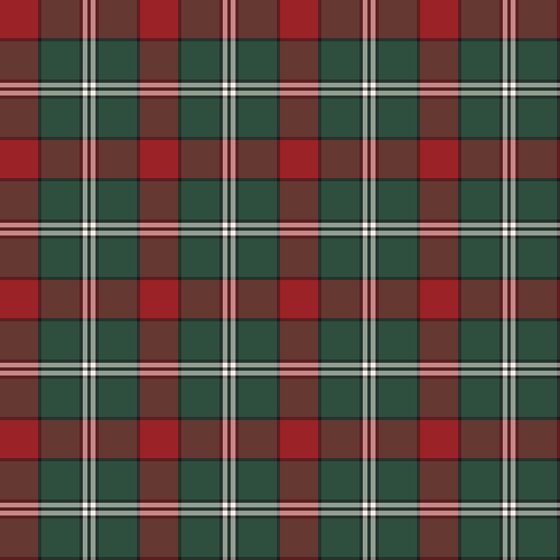
Free hitomezashi sashiko pattern page, 09 Pinwheel Free seamless Christmas plaid paper

FREE SAMPLE

A free sashiko pattern and a Christmas plaid paper

  • One hitomezashi sashiko pattern (09 Pinwheel) with a "How to use" page. A4 and US Letter PDF.
  • One seamless Christmas plaid paper, 12 x 12 in at 300 DPI.

Get the free sample

Enter your email, confirm it, and the download page opens right away.

Guides

How to print and transfer a sashiko pattern

Four steps from printout to cloth, with a scale check.

What is hitomezashi?

One-stitch sashiko explained, from the grid to the first stitch.

All guides

Visible mending, Japanese pattern names, tartans and seamless tiles.

Mending is the point.

Sashiko began as work stitching. Cloth was scarce, so a garment was reinforced and repaired โ€” layer on layer, stitch over stitch โ€” so that it could go on being worn. Cloth mended that way for long enough has a name: boro.

People do this again now, and call it visible mending. The repair is not hidden; it becomes part of the garment. A jacket that has been mended well is worth more to its owner than it was before it tore.

That is what these patterns are for. Not decoration applied to cloth โ€” a way of keeping cloth in use.

A repair follows the line you drew.

So the line has to be right. A pattern can start with a drawing: a motif is painted, copied, and the edges are retouched until the seam stops showing. We start with the rule instead.

01

The rule comes first

A tartan is a thread count โ€” a sequence of coloured threads. Hitomezashi sashiko sits on an exact 5 mm grid. Asanoha, seigaiha and shippou are compass-and-ruler constructions that have been repeated for centuries.

02

Seamless, by construction

Each sheet holds a whole number of repeats, so it tiles edge to edge. Nothing is retouched, because nothing needs to be.

03

True size on your printer

A pattern that drifts makes a repair that drifts. Every sashiko set carries a 50 mm bar, so you can check the scale against a ruler before you start.